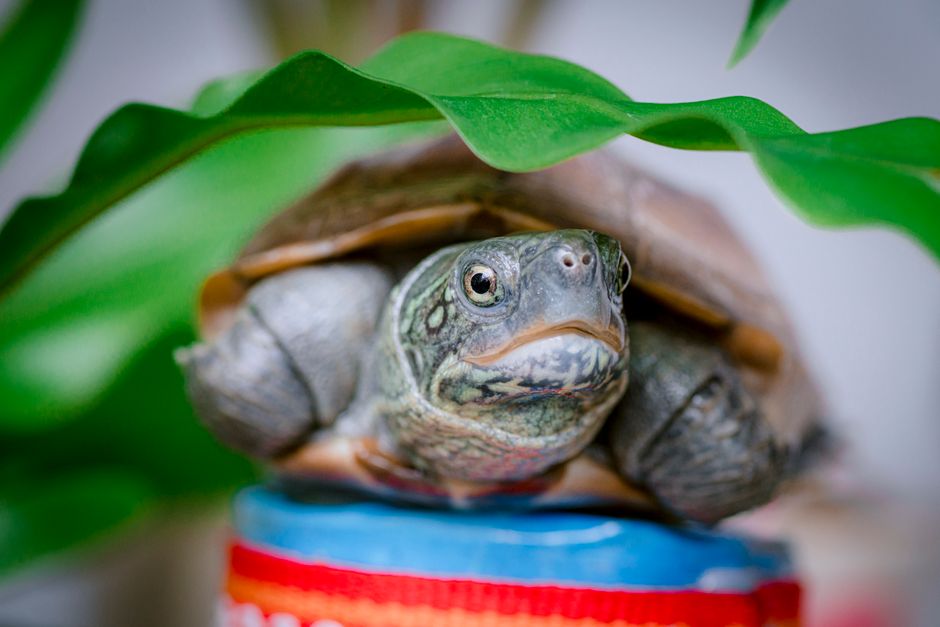
Keeping a pet turtle can be a rewarding experience, but it also comes with the responsibility of understanding their unique health needs. Turtles are resilient creatures, yet they are susceptible to several health issues that can be prevented with proper care and early detection. This article provides an overview of three common health concerns in pet turtles: shell rot, respiratory infections, and vitamin A deficiency. By learning to recognize the early symptoms and implementing preventive measures, you can help your turtle maintain good health.
It is important to note that the information presented here is for educational purposes only and should not replace professional veterinary advice. If you suspect your turtle is unwell, consulting a veterinarian with experience in reptile care is always recommended. The goal is to empower you with knowledge that supports proactive and informed turtle husbandry.
Understanding Shell Rot
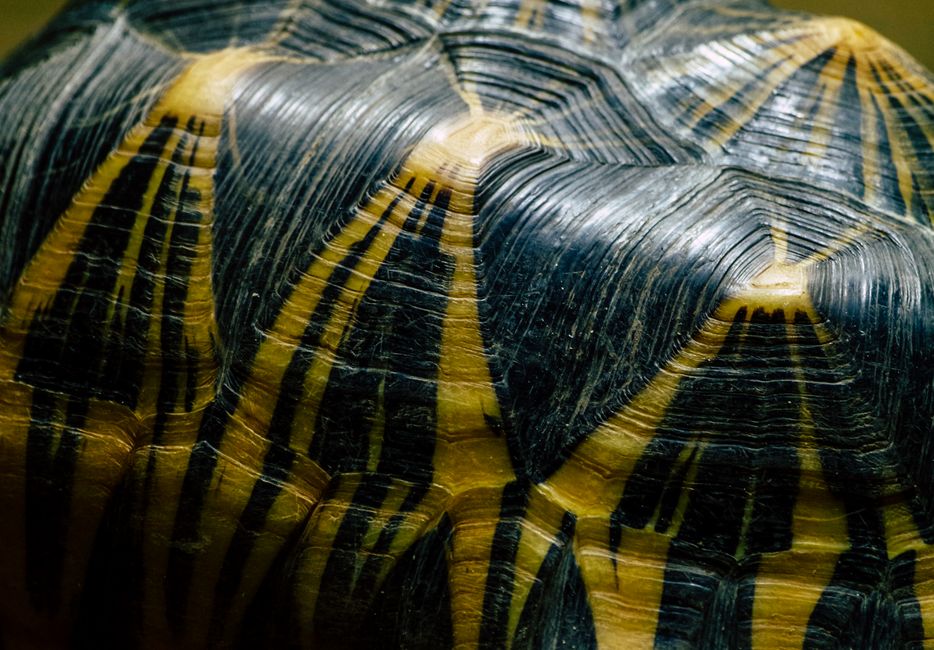
Shell rot is a condition that affects the hard shell of a turtle, typically caused by bacterial or fungal infections. These infections often occur when the shell is damaged or when the turtle is kept in unsanitary conditions. Moisture and poor hygiene create an environment where pathogens can thrive, leading to the breakdown of the shell’s structure.
Early signs of shell rot include discolored spots on the shell, a soft or pitted texture, and an unpleasant odor. As the condition progresses, the shell may develop visible lesions or peeling layers. It is crucial to inspect your turtle’s shell regularly and handle them gently to avoid causing stress or injury.
Preventive measures focus on maintaining a clean and dry habitat. Ensure the enclosure has a proper basking area where the turtle can completely dry off, and regularly clean the water and substrate. Avoid overcrowding and provide a balanced diet to support overall shell health. If you notice any signs of shell rot, isolate the turtle and consult a veterinarian promptly, as early intervention can prevent further damage.
Recognizing Respiratory Infections
Respiratory infections in turtles are often linked to inadequate temperature regulation and poor environmental conditions. Turtles are ectothermic, meaning they rely on external heat sources to maintain their body temperature. When the ambient temperature is too low or fluctuates significantly, their immune system can become compromised, making them more vulnerable to infections.
Symptoms of a respiratory infection may include open-mouth breathing, wheezing, nasal discharge, lethargy, and a loss of appetite. In some cases, the turtle may float unevenly in the water due to increased mucus production. These signs should be taken seriously, as respiratory infections can escalate quickly if left untreated.
To prevent respiratory issues, it is essential to provide a stable thermal gradient in the enclosure, with a basking spot that maintains the recommended temperature for your specific turtle species. Regular monitoring of temperature and humidity levels is important. Additionally, ensure good ventilation to reduce the buildup of harmful gases. If you suspect a respiratory infection, keep the turtle warm and seek veterinary care, as antibiotics or supportive therapy may be necessary.
Addressing Vitamin A Deficiency
Vitamin A deficiency is a common nutritional issue in pet turtles, particularly those fed an unbalanced diet. Vitamin A is essential for maintaining healthy skin, eyes, and the lining of the respiratory and digestive tracts. A deficiency can lead to a range of health problems, including swollen eyes, respiratory issues, and skin abnormalities.
Early symptoms of vitamin A deficiency often include puffy or swollen eyelids, difficulty opening the eyes, and a decreased appetite. In more advanced cases, the turtle may develop abscesses or changes in the skin and shell. These signs indicate a need to reassess the dietary plan.
Preventive strategies involve offering a varied diet that meets the nutritional requirements of your turtle species. Commercial turtle pellets are often fortified with vitamins, but they should be supplemented with fresh vegetables and, for some species, small amounts of fruit. Dark, leafy greens are particularly rich in beta-carotene, a precursor to vitamin A. Avoid feeding an exclusive diet of one food item, and consult a veterinarian or reputable care guide to determine the ideal dietary composition for your turtle.
Regular observation and a proactive approach to turtle care can significantly reduce the risk of these common health issues.
Creating a Healthy Environment
Beyond specific health concerns, the overall environment plays a vital role in preventing disease and promoting well-being in pet turtles. A well-designed enclosure should mimic the turtle’s natural habitat, providing both aquatic and terrestrial areas. Water quality is paramount, as turtles often defecate in their water, leading to rapid buildup of toxins if not filtered or changed regularly.
Investing in a reliable water filter and performing partial water changes weekly can help maintain water clarity and safety. The basking area should be easily accessible with proper UVB lighting, which is essential for calcium metabolism and vitamin D synthesis. Without adequate UVB exposure, turtles are prone to metabolic bone disease, another serious condition.
Temperature management is also critical, with a gradient that allows the turtle to thermoregulate. Daytime temperatures and nighttime drops should be species-specific. Use thermometers to monitor both basking and water temperatures accurately. Additionally, provide hiding spots or caves to reduce stress, as chronic stress can weaken the immune system.
Monitoring and Early Detection
Regular health checks at home can aid in early detection of potential problems. Observing your turtle’s behavior, appetite, and physical appearance on a daily basis is a good practice. Any deviation from normal, such as reduced activity, changes in eating habits, or unusual swimming patterns, warrant attention.
Keep a record of your turtle’s weight and shell condition. Sudden weight loss or growths on the shell should be investigated. Also, be alert to changes in the eyes, skin, and respiratory effort. While some minor issues may resolve with environmental adjustments, persistent or worsening symptoms require veterinary evaluation.
Establish a relationship with a reptile-savvy veterinarian before an emergency arises. Regular check-ups, even when your turtle appears healthy, can help identify underlying issues early. During these visits, the vet can perform thorough examinations and provide guidance on husbandry practices specific to your turtle’s species.
Conclusion
Understanding the common health issues that affect pet turtles is the first step toward providing responsible care. Shell rot, respiratory infections, and vitamin A deficiency are preventable conditions that can be managed with proper husbandry and timely intervention. By maintaining a clean habitat, ensuring proper nutrition and temperature, and staying observant, you can support your turtle’s health.
Remember that each turtle is unique, and species-specific care is essential. Always seek professional advice when in doubt, and continuously educate yourself on best practices. With dedicated attention, you can create a thriving environment for your shelled companion.