How to Set Up a Bioactive Enclosure
Creating a bioactive enclosure involves designing a living ecosystem that mimics natural habitats, where plants, microorganisms, and invertebrates work together to maintain environmental balance. This approach to terrarium keeping emphasizes sustainability and reduces the need for frequent cleaning. By understanding the roles of each component, keepers can build a habitable environment that supports both flora and fauna.
The fundamental concept behind a bioactive setup is the establishment of a functional food web and nutrient cycling within a confined space. This guide outlines the essential elements, from drainage and substrate to plant selection and the introduction of cleanup crews. Each component serves a specific purpose, contributing to the overall health and longevity of the enclosure.
Understanding the Bioactive Approach
The bioactive method replicates the ecological processes found in nature, where waste products are broken down and recycled. In a closed terrarium, the buildup of organic waste can lead to harmful conditions for inhabitants. By incorporating living organisms that consume and process waste, the need for manual substrate replacement is minimized. This creates a more natural and less stressful environment for animals.
Key to this approach is the establishment of a diverse community of microorganisms, fungi, and small invertebrates. These organisms break down animal waste, dead plant matter, and other organic debris into simpler compounds. These nutrients are then absorbed by plants, which in turn purify the air and provide hiding places. This cycle reduces the accumulation of toxic substances and supports a healthier microclimate.
Implementing a bioactive system requires careful planning and an understanding of the interactions between living and non-living elements. It is not a set-and-forget solution; rather, it involves monitoring and occasional adjustments. The following sections will detail the core components necessary to build a thriving self-sustaining habitat.
Essential Components of a Bioactive Enclosure
Setting up a bioactive enclosure involves several key components, each with a distinct role. The drainage layer, substrate, live plants, and a cleanup crew form the foundation of the ecosystem. Additional elements such as lighting, heating, and ventilation are also crucial for the health of the inhabitants. Understanding the purpose of each component helps in making informed decisions during the setup process.
Drainage Layer
The drainage layer is a critical first step in preventing waterlogged substrate. It typically consists of a layer of pebbles, clay balls, or other inert materials placed at the bottom of the enclosure. This layer creates space for excess water to collect, preventing the substrate above from becoming saturated. Proper drainage helps maintain optimal moisture levels for both plants and soil organisms.
Above the drainage layer, a separator, such as a sheet of mesh or landscape fabric, is often placed. This prevents the substrate from mixing with the drainage material. The thickness of the drainage layer may vary depending on the size of the enclosure and the watering habits of the keeper. A deeper drainage layer may be beneficial in larger setups or for species that require higher humidity.
The choice of drainage material can also have aesthetic implications. Some hobbyists use decorative stones or colored clay balls, which can be visible through the glass if a false bottom is constructed. However, functionality should be the primary consideration. Ensuring adequate drainage is essential for the long-term health of the ecosystem.
Substrate
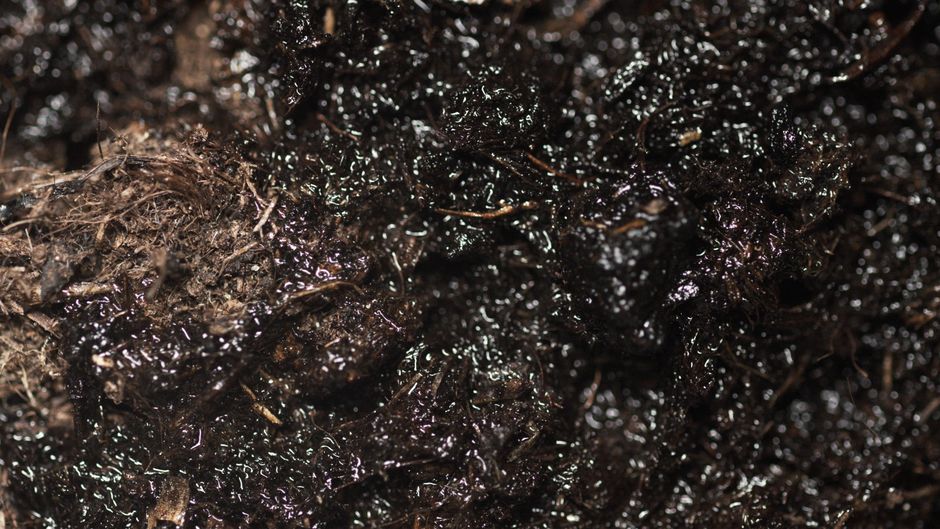
The substrate serves as the foundation for plant roots and provides a medium for beneficial microorganisms. A typical bioactive substrate mixture may include organic components such as sphagnum moss, coconut husk, and decomposed organic matter. Inclusions like charcoal and sand can also contribute to aeration and filtration. The exact composition can be tailored to the needs of the plants and animals being housed.
Organic matter in the substrate is a food source for the cleanup crew and fungi, which are vital for nutrient cycling. The substrate should be deep enough to support root growth and allow burrowing if needed. For terrestrial species, a depth of at least 3-4 inches is common, while some arboreal enclosures may require less substrate.
Maintaining appropriate moisture levels in the substrate is crucial. It should be kept evenly moist but not waterlogged. The drainage layer helps with this, but regular misting may be necessary to maintain humidity. Monitoring the substrate’s condition is part of the routine care for a bioactive enclosure.
Live Plants
Live plants are an integral part of a bioactive setup, contributing to the ecosystem in multiple ways. They absorb nutrients, provide cover, and help regulate humidity through transpiration. Selecting appropriate plant species that can thrive in the enclosure’s conditions is essential. Factors such as light, moisture, and temperature compatibility must be considered.
In addition to aesthetic value, plants offer hiding spots and climbing opportunities for inhabitants. Some animals may also consume plant matter, which is a natural part of their diet. Choosing non-toxic plants is vital to ensure animal safety. Researching the specific needs of the plants and the animals is necessary to create a harmonious environment.
Plants also play a role in air purification by absorbing carbon dioxide and releasing oxygen. In a sealed enclosure, this can help maintain a balanced atmosphere. However, photosynthesis requires adequate lighting, which is a separate consideration in the setup process. Overall, plants are a dynamic component that enhances the environmental quality and visual appeal.
Cleanup Crew
Beneficial insects and other invertebrates, collectively known as the cleanup crew, are the biological janitors of a bioactive enclosure. Species such as springtails and isopods are commonly used to consume organic waste, including animal feces, mold, and dead plant matter. Their activity breaks down waste into smaller particles, facilitating decomposition and nutrient release.
Each cleanup crew species has its own preferences for humidity and diet. Springtails thrive in moist conditions and feed on fungi and debris, while isopods are more varied in their diet. Providing a mix of species can create a more robust cleanup crew. It is important to ensure that the chosen species are safe for the enclosure’s inhabitants and will not overpopulate or become a nuisance.
Introducing a cleanup crew is typically done during the initial setup, but they may need to be replenished over time. Regular monitoring of the population can help maintain a balance. The presence of a healthy cleanup crew is a sign of a functioning ecosystem, reducing the need for manual substrate cleaning.
Creating a Water Cycle
In a bioactive enclosure, water plays a vital role in supporting life and facilitating nutrient transport. A closed water cycle mimics natural conditions, where water evaporates, condenses, and falls as rain. This cycle is influenced by temperature, heating, and ventilation. Understanding how to manage humidity and moisture levels is key to creating a stable environment.
Excess water is absorbed by the drainage layer, which helps maintain humidity while preventing root rot. Water from the substrate evaporates into the air and condenses on the glass, providing a natural source of hydration. The condensation can also be collected by certain plants, such as bromeliads, which have water-holding structures.
It is important to avoid water stagnation, as this can lead to mold and bacterial growth. Adequate ventilation helps prevent excessive moisture buildup. The balance between ventilation and humidity needs to be carefully managed, especially for species with specific requirements. Observing the enclosure’s microclimate is essential for making adjustments.
Lighting and Heating Requirements
Lighting is essential for the health of both plants and animals in a bioactive enclosure. Plants require appropriate light for photosynthesis, while animals may need UVB for vitamin D synthesis. The type and intensity of lighting depends on the species housed. Full-spectrum LED lights are often used to support plant growth, while UVB bulbs are necessary for some reptiles.
The photoperiod, or duration of light exposure, should mimic natural day-night cycles. Timers can be used to automate lighting. In addition to light, temperature gradients are crucial for thermoregulation. Heat sources, such as heat mats or ceramic emitters, should be arranged to create warm and cool zones within the enclosure.
Monitoring temperature and humidity with a reliable hygrometer and thermometer is recommended. The interplay between light, heat, and water affects the overall environment. Proper placement of lighting and heating elements contributes to the stability of the bioactive system, promoting healthy plant growth and animal activity.
Maintenance and Monitoring
Although a bioactive enclosure aims for self-sustainability, it still requires routine maintenance and observation. Regular spotting cleaning is sometimes necessary to remove waste that the cleanup crew may not process quickly. Trimming overgrown plants and removing dead leaves helps maintain visual appeal and prevent decay.
Monitoring the health of the substrate, plants, and animals is an ongoing task. Signs of imbalance, such as excessive mold, plant discoloration, or unusual animal behavior, should be addressed promptly. Adjusting watering frequency, improving ventilation, or adding more cleanup crew may be needed to restore equilibrium.
The success of a bioactive enclosure depends on multiple factors, including the initial setup, the species chosen, and the keeper’s willingness to learn and adapt. By understanding the ecological principles and being observant, hobbyists can create a fascinating and dynamic habitat that provides long-term enrichment. Remember that each ecosystem is unique, and outcomes may vary based on conditions and management.