Selecting an appropriate substrate is a fundamental aspect of lizard husbandry. The substrate serves multiple purposes: it influences the enclosure’s humidity, provides a medium for natural behaviors like digging and burrowing, and plays a role in overall hygiene. With a variety of options available, each with distinct characteristics, understanding their properties is key to making an informed decision.
This article examines three commonly used substrates—coconut fiber, reptile bark, and sand—by comparing their attributes related to moisture retention, suitability for digging, and ease of maintenance. By exploring these factors, lizard keepers can evaluate which substrate aligns best with their pet’s specific needs and their own management practices.
Moisture Retention and Humidity Control
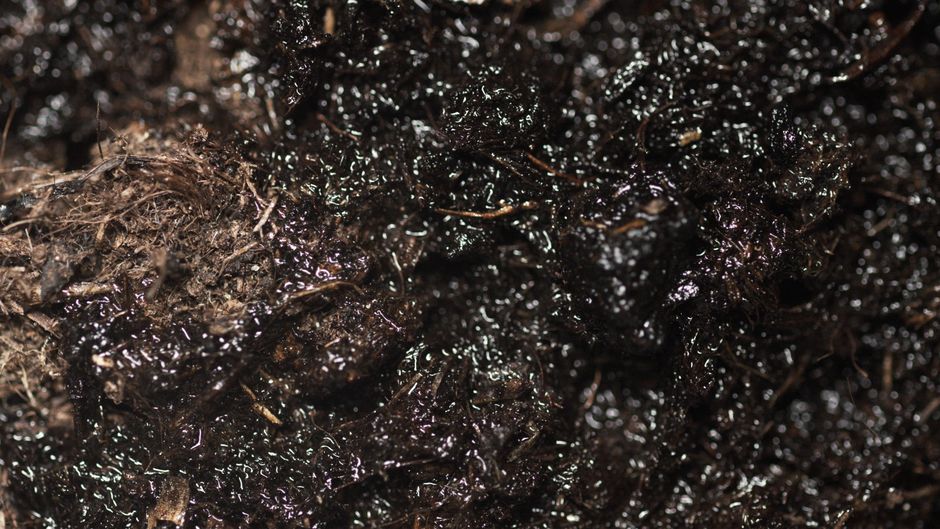
Moisture retention is a critical factor for many lizard species, particularly those from tropical or subtropical environments where higher humidity is essential. Coconut fiber, also known as coco coir, is renowned for its excellent water-holding capacity. When moistened, it can maintain humidity levels effectively, providing a stable environment for species like crested geckos or green iguanas. Its fibrous texture allows for slow evaporation, reducing the frequency of misting and helping to sustain a consistent microclimate.
Reptile bark, often derived from fir or cypress, offers moderate moisture retention. While it can hold some moisture, it tends to dry out more quickly than coconut fiber. This characteristic may be suitable for species that prefer moderate humidity, such as leopard geckos, but may require more frequent misting to maintain higher levels. The bark’s larger particles also create air pockets, which can aid in ventilation and prevent excessive dampness.
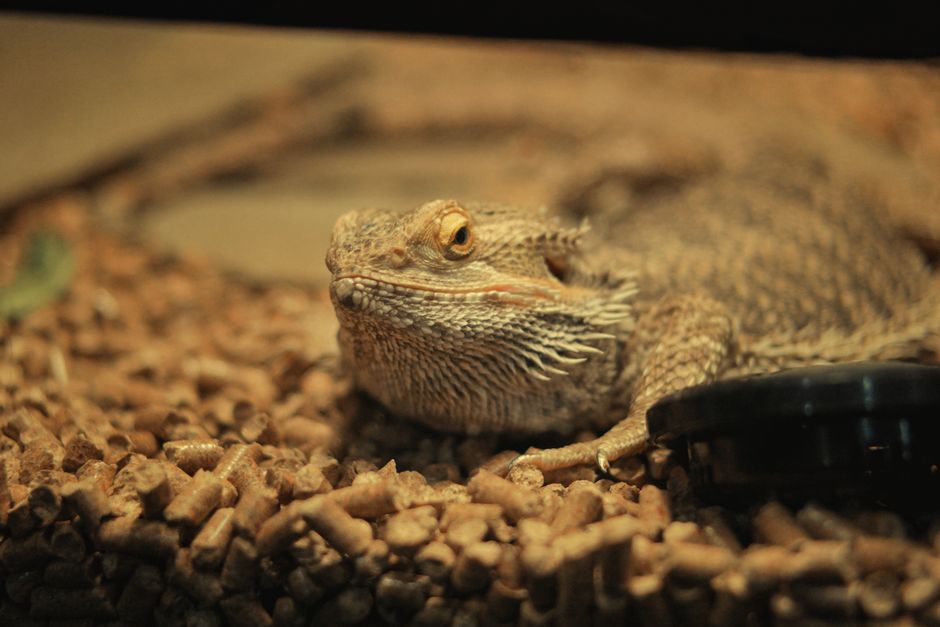
Sand, in contrast, is generally poor at retaining moisture. It drains quickly, allowing water to pass through without being absorbed. For arid-dwelling species like bearded dragons, this is advantageous as it helps maintain low humidity and prevents respiratory issues. However, for species requiring higher humidity, sand would not be a suitable choice. Additionally, sand’s low moisture retention means that any liquid waste may dry out rapidly, potentially making cleaning more challenging if not addressed promptly.
Digging and Burrowing Behaviors
Many lizards exhibit natural digging or burrowing behaviors, which are important for thermoregulation, shelter, and reproductive activities. Coconut fiber, being loose and friable, allows for easy digging while maintaining structural integrity. It can hold tunnels without collapsing, making it a favorable option for species like blue-tongued skinks or sand boas that enjoy burrowing. The substrate’s fine texture is gentle on the lizard’s skin and claws.
Reptile bark, with its larger chunks, may be less suitable for digging. The pieces are often too large to support stable tunnels, and they may shift or cave in easily. Some lizards might still move the bark around, but it is not ideal for species that require deep burrowing. However, bark can provide a naturalistic forest floor environment for terrestrial species that prefer a more structured terrain.
Sand is often associated with burrowing, and certain species, such as the Egyptian uromastyx or some geckos, naturally inhabit sandy substrates. Fine-grained sand can be dug effectively, allowing lizards to create shallow burrows. However, it is crucial to consider the particle size; very fine sand may be dusty or compact easily, while coarser sand might be less comfortable. The choice of sand type and particle size can influence the ease of digging and the overall safety of the environment.
Hygiene and Maintenance
Maintaining a clean enclosure is essential for preventing health issues. Coconut fiber is relatively easy to maintain, as it can be spot-cleaned by removing soiled areas. It is also biodegradable and can be composted. However, it may require periodic replacement, especially if the substrate becomes saturated. The moisture-retentive nature of coconut fiber can promote bacterial growth if not managed properly, so regular monitoring of humidity and waste removal is necessary.
Reptile bark offers ease of spot-cleaning due to its larger particles; waste tends to sit on top, making removal straightforward. It is also resistant to mold, which is a benefit in humid conditions. However, bark pieces can be rough and may need to be replaced more frequently than coconut fiber, as they can degrade over time. Some barks may contain oils or resins that could be irritating, so selecting a reputable brand is important.
Sand poses unique hygiene challenges. Spot-cleaning is feasible, but liquids can seep into the sand, making it difficult to remove all contaminated portions. Over time, bacteria and odors can accumulate. Additionally, if ingested accidentally, sand can lead to impaction, a serious health concern. Therefore, sand requires careful management, including regular sifting to remove waste and periodic deep cleaning or replacement of the entire substrate.
Species-Specific Considerations
The choice of substrate should be guided by the natural habitat and behavioral needs of the lizard species. Desert dwellers like bearded dragons often benefit from substrates that mimic their native environment, such as sand or a sand-soil mix. These substrates allow for natural digging behaviors and help regulate moisture levels appropriate for arid climates. However, the risk of impaction must be weighed, especially for younger individuals who may inadvertently ingest substrate during feeding.
For tropical species, coconut fiber provides the required humidity and supports burrowing, contributing to a more naturalistic environment. It also supports live plants if maintained correctly, enhancing the enclosure’s aesthetic and providing additional hiding spots. Meanwhile, species from humid forests might prefer bark to recreate a forest floor, offering a stable surface and reducing the chance of over-hydration.
It is important to research the specific needs of each lizard species, as substrates can influence not only physical health but also psychological well-being. A substrate that allows for natural behaviors can reduce stress and promote activity. Consulting with a veterinarian or experienced herpetologist can provide valuable insights tailored to individual species and situations.
Substrate selection is not a one-size-fits-all decision; it requires a careful assessment of the lizard’s natural history, the enclosure’s environmental parameters, and the keeper’s capacity for maintenance.
Environmental and Safety Considerations
Beyond the immediate needs of the lizard, substrate choice can have environmental implications. Coconut fiber is a renewable resource, often derived from coconut husks, making it an eco-friendly option. Reptile bark is typically a byproduct of timber industry, and choosing sustainably sourced bark can reduce environmental impact. Sand, especially play sand or silica sand, may have environmental costs associated with mining and processing.
Safety considerations extend to the physical properties of the substrate. Coconut fiber is generally dust-free and gentle, minimizing respiratory irritation. Bark should be free from sharp pieces that could injure the lizard. Sand must be screened to remove any sharp or potentially harmful debris. Additionally, some substrates might be treated with chemicals or dyes; selecting natural, unprocessed products is advisable.
Ultimately, the decision should integrate multiple factors: moisture requirements, digging preferences, hygiene practicality, and species-specific traits. Observing the lizard’s behavior after introducing a new substrate can provide immediate feedback. Adjustments may be necessary based on the lizard’s response and the ability to maintain stable environmental conditions.
In summary, coconut fiber excels in moisture retention and burrowing support, making it ideal for humid-dwelling, burrowing species. Reptile bark offers a balance, providing moderate moisture control and ease of maintenance, suitable for species with moderate humidity needs. Sand is best for arid species but requires careful management to avoid impaction and hygiene issues. By understanding these trade-offs, keepers can make informed decisions that promote the health and well-being of their lizards.