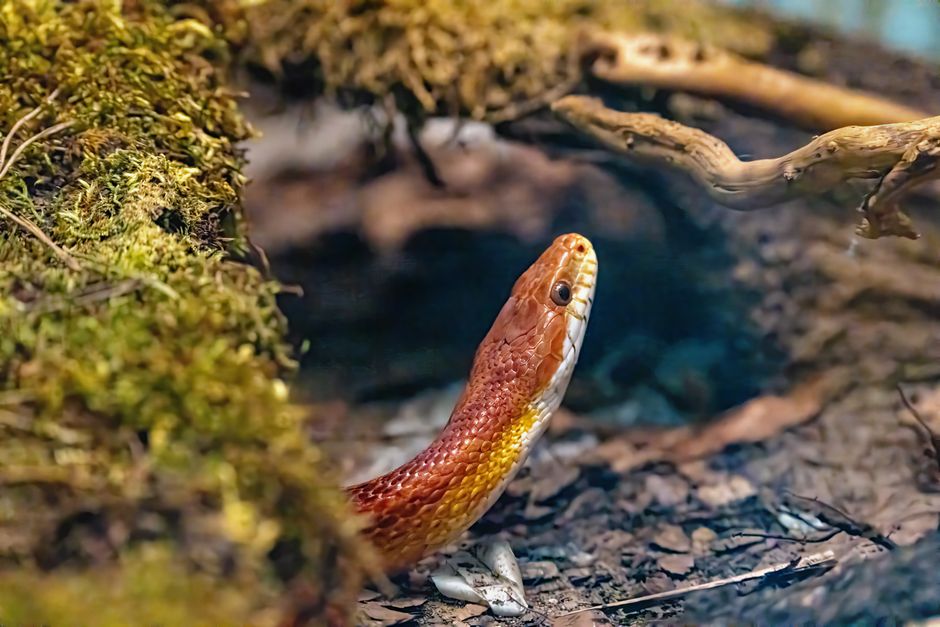
Corn snakes (Pantherophis guttatus) are among the most popular pet reptiles, particularly for those new to snake keeping. Their docile temperament, manageable size, and relatively simple care requirements make them an attractive choice. However, providing proper care involves more than just setting up a tank and offering food. It requires a thoughtful approach to habitat design, environmental conditions, and routine maintenance. This guide will explore the fundamental aspects of corn snake care, focusing on enclosure size, temperature gradients, feeding schedules, and handling techniques. By understanding these core principles, keepers can create a stable and supportive environment that meets the snake’s biological and behavioral needs.
Before acquiring a corn snake, it is important to consider the long-term commitment involved. These snakes can live for 15 to 20 years with proper care, so prospective owners should be prepared for a significant responsibility. The information presented here is intended to serve as a foundational resource, but it is always advisable to consult with veterinarians or experienced herpetologists for personalized guidance. Each snake may have individual preferences and health considerations, and care practices can evolve with new research. The following sections will break down the key components of corn snake husbandry, offering practical insights for both new and current keepers.
“The goal of corn snake care is to replicate, as closely as possible, the conditions of their natural habitat while ensuring safety and ease of maintenance.”
Choosing the Right Enclosure
The enclosure serves as the snake’s entire world, so its size and design are crucial. A common rule of thumb is that the tank should be at least as long as the snake and ideally two to three times longer for adult specimens. For a juvenile corn snake, a 20-gallon long tank is often sufficient, but adults typically require a 40-gallon breeder tank or larger. Providing ample floor space allows for natural movement and exploration, which contributes to the snake’s physical and mental well-being.
Beyond size, the enclosure must be secure. Corn snakes are known escape artists, so a tight-fitting lid with clips is essential. Glass terrariums with sliding or hinged lids are popular, but plastic tubs with proper ventilation can also work well, especially for maintaining humidity. The material should be easy to clean and disinfect, as hygiene is a cornerstone of preventative health care. Additionally, the enclosure should be placed in a quiet area away from direct sunlight and high-traffic zones to minimize stress.
Substrate choice is another important consideration. Aspen shavings are a common and safe option, as they allow burrowing and are absorbent. Paper towels or reptile carpet are often used for juveniles or during quarantine because they are easy to replace. Avoid substrates like cedar or pine, as their oils can be harmful to reptiles. The substrate should be spot-cleaned regularly and fully replaced periodically to maintain a clean environment.
Temperature and Heating
Corn snakes are ectothermic, meaning they rely on external heat sources to regulate their body temperature. Therefore, establishing a thermal gradient within the enclosure is imperative. The gradient should range from a basking spot of about 85 to 88 degrees Fahrenheit (29 to 31 degrees Celsius) on the warm side, to a cooler side maintained at around 75 to 80 degrees Fahrenheit (24 to 27 degrees Celsius). This gradient allows the snake to move between areas to regulate its body temperature according to its needs.
Under-tank heating pads are a popular method to provide belly heat, which aids in digestion. They should be connected to a thermostat to prevent overheating and potential burns. Ceramic heat emitters or radiant heat panels can also be utilized, but overhead lights are generally not recommended for heat as they can disrupt the day/night cycle. The temperature should be monitored daily using digital thermometers placed at both ends of the enclosure. It is also wise to use a temperature gun to verify surface temperatures.
Nighttime temperatures can be allowed to drop slightly, but should not fall below 70 degrees Fahrenheit (21 degrees Celsius). Consistency is key, so a thermostat is essential to maintain stable conditions. Without proper temperature regulation, corn snakes may become stressed, leading to health issues such as respiratory infections or digestive problems. Therefore, investing in reliable heating equipment is a fundamental step in providing a safe habitat.
Feeding and Nutrition
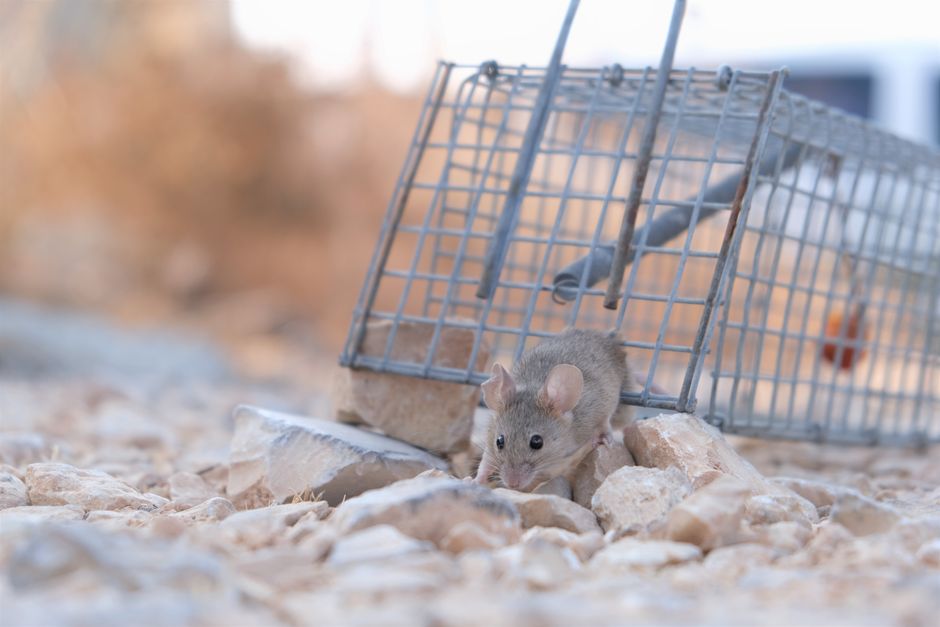
Corn snakes are carnivorous, and in captivity, their diet typically consists of appropriately sized rodents, most commonly mice. The size of the prey should be roughly the same width as the snake’s thickest body part. For juveniles, this might mean pinky mice every 5 to 7 days, while adults may consume small to medium adult mice every 7 to 10 days. Feeding schedules can vary based on the individual snake’s metabolism and activity level, but consistency is important to establish a routine.
Frozen-thawed prey is generally recommended over live prey due to safety and ethical considerations. Live rodents can bite the snake, causing injuries, and they may suffer during the feeding process. Thawing should be done in a warm water bath or in the refrigerator overnight, then warmed to about 100 degrees Fahrenheit (38 degrees Celsius) before offering. Using tongs to present the prey can help avoid accidental bites to the keeper and reinforces a feeding response separate from handling.
It is crucial to handle the snake only when it is not in feeding mode. Many keepers use a separate feeding container to minimize the chance of the snake associating the enclosure with food. After feeding, the snake should be left undisturbed for 24 to 48 hours to allow for proper digestion. Fresh water should always be available in a shallow dish that is heavy enough to prevent tipping. The water should be changed regularly, and the dish cleaned to prevent bacterial growth.
Handling and Temperament
Corn snakes are generally known for their calm demeanor, but they can become defensive if they feel threatened or are handled improperly. Regular, gentle handling from a young age helps them become accustomed to human interaction and reduces stress over time. When first introducing handling, it is best to wait until the snake has eaten and digested at least one meal in its new home, usually after about a week. Start with short sessions of 5 to 10 minutes, gradually increasing the duration as the snake becomes more comfortable.
When picking up a corn snake, it is important to support its body fully, allowing it to wrap around your hands or arms. Avoid sudden movements and loud noises. If the snake shows signs of stress, such as hissing, striking, or musking, it is best to put it down and try again later. Handling should be consistent but not excessive; a few times per week is generally suitable. During shedding periods, handling should be minimized as the snake’s eyes may be cloudy and vision impaired, making it more vulnerable and irritable.
Understanding the snake’s body language is essential. A relaxed snake explores slowly with its tongue flicking gently. A nervous snake may coil tightly, tail vibrate, or attempt to flee. By respecting these signals, keepers can build trust and make handling a positive experience for both parties. Patience and observation are key to developing a comfortable relationship with a corn snake.
Maintenance and Health Monitoring
A clean enclosure is vital for preventing disease. Spot-clean waste and urates as soon as they are noticed, and replace soiled substrate. A full substrate change should be done every 1 to 3 months, depending on the enclosure’s environment and the keeper’s preferences. Disinfect the enclosure and furnishings with a reptile-safe cleaner, ensuring thorough rinsing to remove any residue. This practice helps control odor and reduces the risk of bacterial or fungal growth.
Monitoring the snake’s health involves observing its behavior, appetite, skin condition, and elimination patterns. Healthy corn snakes have clear eyes (except during shed), smooth scales, and a rounded but firm body. They should be active and alert during normal hours. Any changes in appetite, weight, or activity could indicate stress or illness. Common health concerns include respiratory infections, scale rot, and retained shed. If any abnormalities are noticed, consulting a reptile veterinarian is recommended.
Regularly checking the equipment, such as thermostats and heating pads, ensures they are functioning correctly. Temperature fluctuations can stress the snake and compromise its immune system. Additionally, providing environmental enrichment, such as hiding spots, branches, or commercially available snake caves, allows the snake to engage in natural behaviors like hiding and climbing, contributing to its overall welfare. By combining diligent maintenance with attentive observation, keepers can foster a thriving environment for their corn snake.